The numbers tell the story. In 2022, nearly 18 U.S. military veterans died by suicide each day, according to statistics from the Department of Veterans Affairs.
Some sources say that number may likely be higher, closer to 22 a day, according to Tim Murray, executive director of Bravo Zulu House, a recently opened sober house in southern Minnesota designed to be an all-military home to serve veterans. Murray further said that since 9/11, 2001, about 7,500 U.S. service members have died in direct combat. By contrast, in that same 24-year period, about 153,000 veterans and service members have killed themselves.
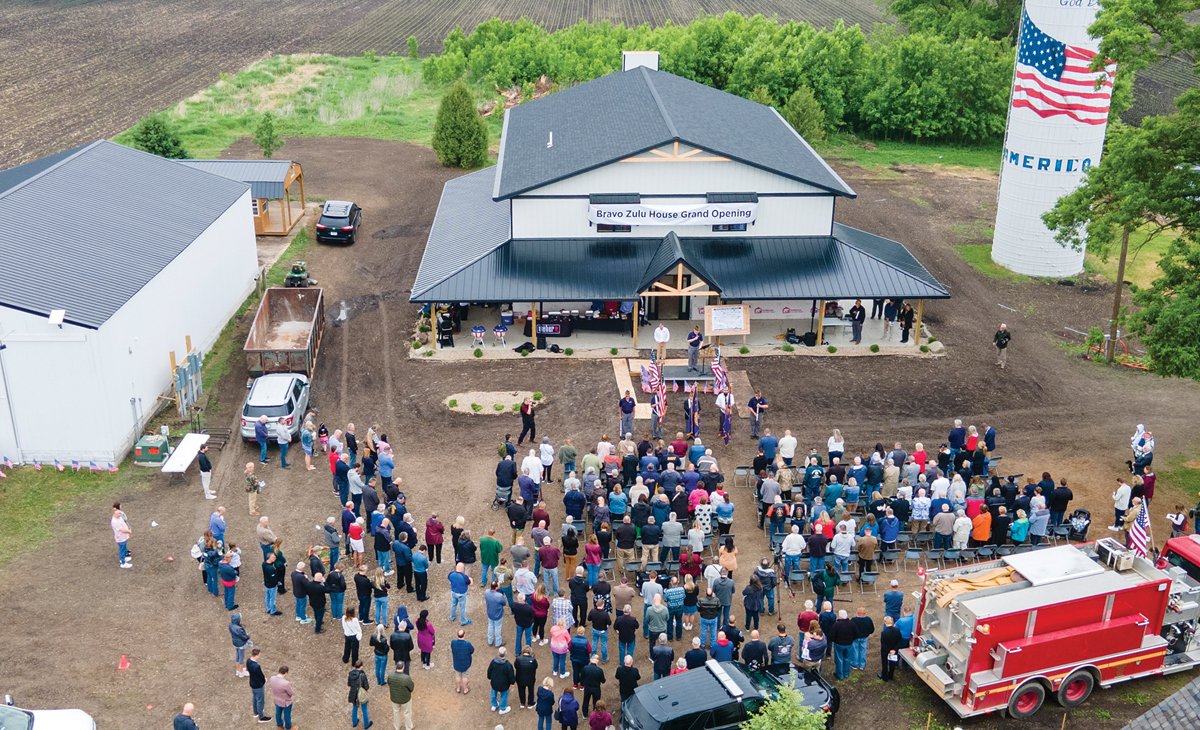
With those high rates of suicide among the military, Murray and other organizers of Bravo Zulu House hope their new facility can help veterans stay sober while treating their post-traumatic stress disorder (PTSD), and provide a supportive place to heal.
“Lack of sobriety is the number one barrier to effectively treating PTSD,” Murray told The Phoenix Spirit in a recent interview. “I can’t treat you for PTSD until I can get you sober, so go to treatment, then get help with your PTSD.”
This concept, in which individuals first go through alcohol treatment and then come to Bravo Zulu House afterward for PTSD therapy, is considered to be the first of its kind in the country, according to Murray, who also leads St. Paul-based Trinity Sober Homes, a faith-based sober-house network. Trinity also operates Bravo Zulu.
No matter what issue I have in my life, I have zero chance of overcoming it without being sober first…so addiction first, then PTSD.Alcohol and drug addiction issues and PTSD “can’t be worked on together, it’s a sequence,” Murray explained. “You have to get someone sober first … no matter what issue I have in my life, I have zero chance of overcoming it without being sober first … so addiction first, then PTSD.”
The house, which welcomed its first resident in August, is staffed by a live-in house manager and a full-time case manager, according to Murray.
“I’m super honored and proud to be a part of this,” said Mike Feia, the house manager who is a U.S. Navy veteran. “I hope that we can set a precedent, an example, of what should have been done a long time ago … addressing the chemical dependency part and then the PTSD part, and having a place with guys all in the same boat, having a chance to heal.”
Mayo Clinic Health System serves as a partner for Bravo Zulu House, and will provide all of the medical reviews, assessments and counseling for PTSD-related therapy, according to Murray.
As the Minnesota Star Tribune reported, Dr. Karthik Ghosh, vice president of Mayo Clinic Health System-Minnesota, spoke at Bravo Zulu’s opening ceremony in May about Mayo’s involvement. “Mayo Health System believes in the Bravo Zulu House,” Ghosh said. “It will be a vital resource offering a safe and supportive environment where our veterans can heal and rebuild their lives.”
Bravo Zulu House will also have faith-based coaching, interaction with rescue dogs, hydroponic farming and assistance with job placement, according to the Star Tribune.
At capacity, the facility can host 13 residents and each person will have their own room. Rent is $600 per month. Murray said he expects residents to stay an average of about 18 months.
A total of $1.25 million was raised to build the new house on a five-acre site in rural Winnebago near Mankato. That money comes from about 90 corporate donors and about 500 individual donors and no government funding, Murray said.
Maj. John Donovan, U.S. Army retired, serves on Bravo Zulu’s board of directors, and is a strong supporter of the facility’s approach because, as he said, he has seen first-hand how military personnel are struggling with addiction and PTSD issues, in many cases abusing drugs and alcohol as a coping mechanism to deal with the PTSD, which, of course, doesn’t work, he said.
Donovan worked with soldiers on these issues at all of his military postings in Germany, Bosnia and Iraq. “People now have quick access to (alcohol and drug) treatment and that’s a good thing,” he said. “But what we do with them post treatment … the whole health care industry is now really exploring that … post-treatment rates have been abysmal.”
Donovan added, “I’ve had years of experience of seeing our service members develop substance disorder and PTSD disorder. I see veterans going through the cycle of treatment and relapse, so, we have to get them off that hamster wheel and get them on a path of recovery … Bravo Zulu is a sober living environment, plus residents can re-connect with the camaraderie they had in the service, connecting with others going through the same thing.”
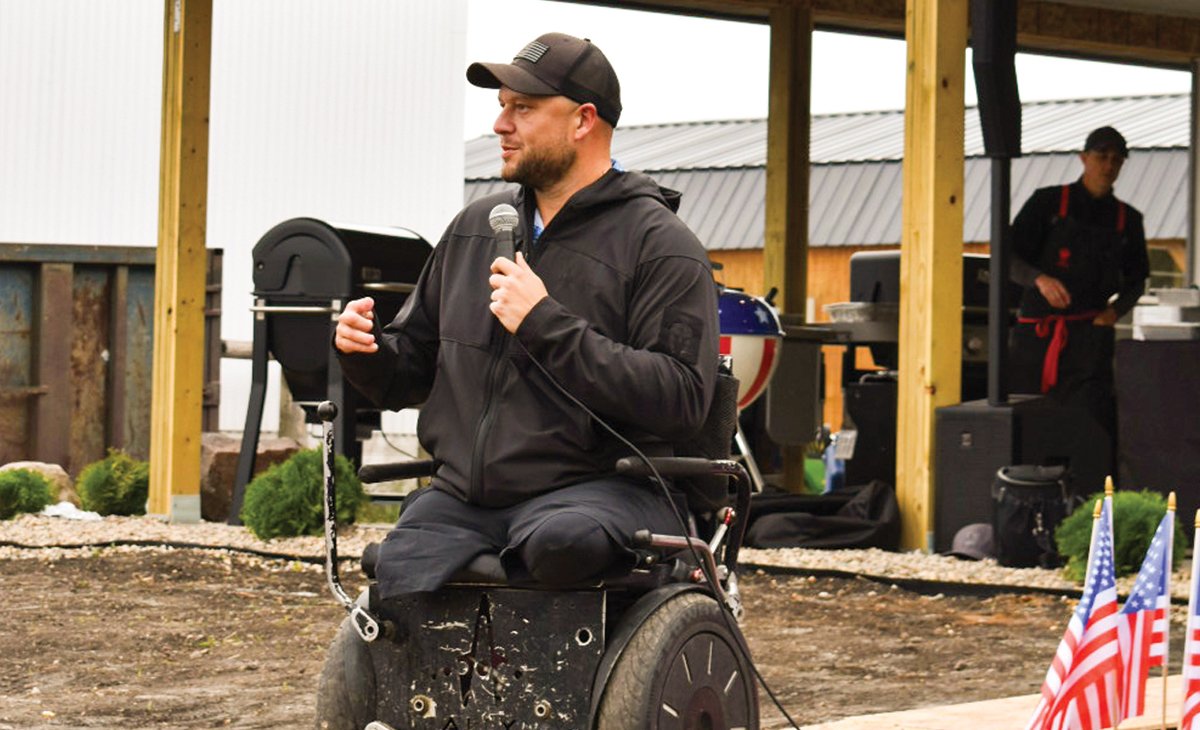
Jack Zimmerman agreed. Zimmerman serves as chair of Bravo Zulu’s advisory board, and is an Army veteran who lost both legs and severely injured both of his arms in combat in Afghanistan. He said he could “see a need for sober housing, guys that were leaving rehab and needing a place to go … and it makes sense that you’ve got to be sober first before you can address your PTSD.”
He has high hopes for Bravo Zulu. “I’m a strong believer in the concept and hope that there is at least one of these houses in every state eventually.”
For now, there are plans to open a sober house for women in Mankato in late 2026.
Finally, what about that name, Bravo Zulu?
It’s a Navy term that means “well done,” Murray explained. “It’s the highest compliment an admiral can pay to a midshipman, flying those flags on a ship together, as a symbol, ‘nicely done.’”
Bravo Zulu House is now accepting applications from male veterans for their after-treatment care. Visit Bravozuluhouse.org and click on the application button at the top, right-hand corner. Minnesota’s crisis text line: Text “MN” to 741741.
Angelo Gentile is a Minneapolis freelance journalist and former newspaper and magazine editor who has also worked in public relations and corporate communications.