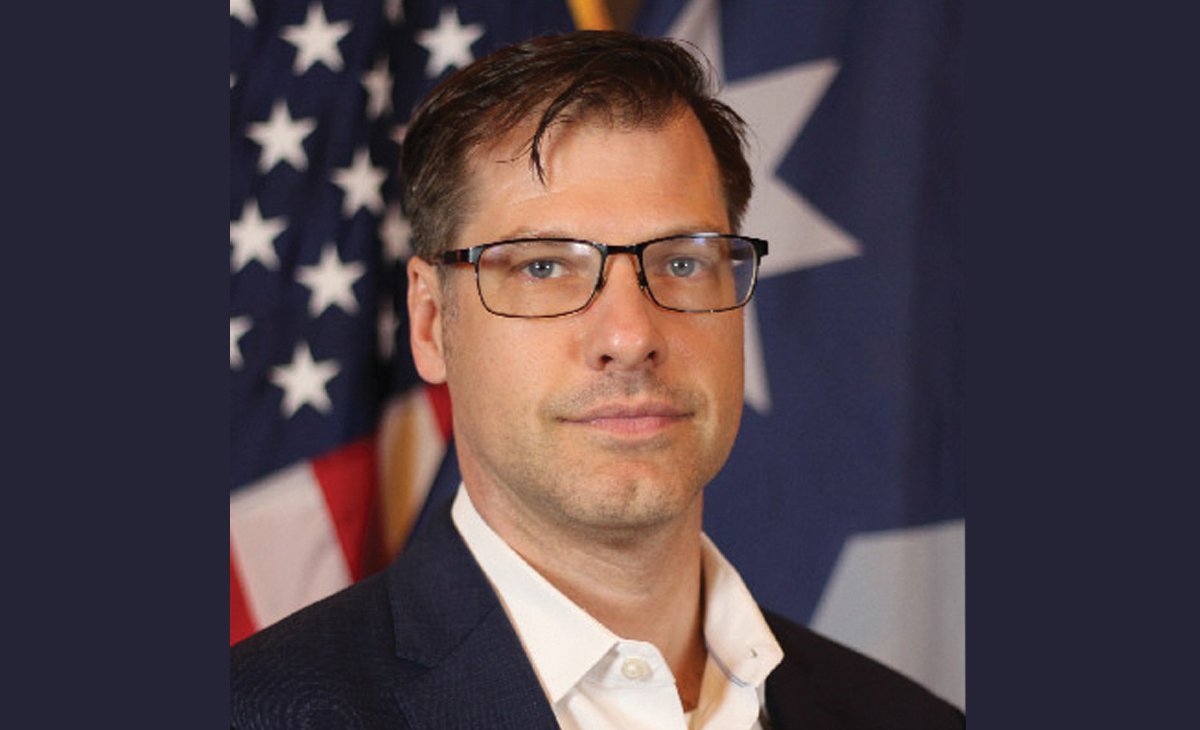
Jeremy Drucker / Photo courtesy of MMB
This past year has been eventful in the addiction and recovery space. Program integrity concerns, a new legislature, and the transition in the federal government brought a significant amount of change and disruption. At the federal level the change in priorities, staff and funding cuts in federal agencies, and inconsistent guidance to states created additional challenges for serving Minnesotans experiencing substance use disorder. Despite all this, Minnesota continued to make progress on key initiatives and areas of focus.
Overdose Deaths
The Governor’s One Minnesota Strategic Plan for the state calls on the Subcabinet on Opioids, Substance Use, and Addiction to focus on reducing opioid overdose deaths. In October, the Governor announced that overdose deaths from 2023 to 2024 declined by 26%, and opioid overdose deaths specifically declined by 32%. These reductions occurred in nearly every geographical community in the state and across every demographic. The state also saw a significant decrease in non-fatal overdoses as well.
Overdose Prevention
Over the past two years, the Office of Addiction and Recovery (OAR) worked with staff at the Departments of Human Services and Health (DHS and MDH) and community partners on developing a naloxone saturation strategy to help ensure that every community in Minnesota receives the naloxone they need in the quantity and format needed. In February, the state published the first Naloxone Saturation Strategy that sets forth guiding principles, key pillars, and specific approaches to achieve this vision, including ensuring the availability of both nasal and intramuscular naloxone, and developing quantitative and qualitative measures to track saturation progress within communities. This comprehensive approach ensures that naloxone saturation not only saves lives but also provides opportunities to positively change the direction of lives impacted by opioid overdoses.
Rate Increases for Substance Use Disorder Residential Providers and Other Legislative Changes
Overdose deaths from 2023 to 2024 declined by 26%, and opioid overdose deaths specifically declined by 32%.Despite a challenging state budget outlook that is projecting a future deficit, OAR worked with state lawmakers and Governor Walz to not only protect previous behavioral health investments but also achieve an important increase in rates for residential substance use disorder (SUD) treatment.
This rate increase will help ensure that SUD providers across the state will be able to keep their doors open and provide the necessary services for Minnesotans seeking recovery. This was an important win in a tough budget year that demonstrates Minnesota’s bipartisan recognition of and commitment to making sure that our substance use disorder services remain strong. Other important SUD related changes included recovery residence reform and additional program integrity measures to ensure taxpayer dollars in this area are well spent.
Also, this past legislative session the Subcabinet on Opioids, Substance Use, and Addiction was expanded to include: the Department of Commerce; the Department of Children, Youth, and Families; Direct Care and Treatment; and the Office of Cannabis Management. The Subcabinet was also given responsibility for developing an interagency state substance use plan. Finally, one other important piece of legislation championed by OAR was passed: The Overdose Detection Mapping Application Program (ODMAP), a public health tool that tracks overdoses in real time, more easily usable by law enforcement and public health and increasing the quality of the data.
Improving Substance Use Disorder Services for Justice-involved Minnesotans
Building on the work begun in 2024 in transforming how behavioral health services are provided inside prisons and jails through passage of legislation directing Minnesota to apply for federal approval to use Medicaid dollars for this population, OAR continued driving progress in this area by helping guide submission of the federal 1115 Reentry Waiver application as well as a report with recommendations from the Medications for Opioid Use Disorder (MOUD) in jails workgroup. The MOUD in Jails Workgroup, convened by OAR and co-chaired by the Minnesota Medical Association and Minnesota Sheriff’s Association, created practical recommendations for improving access to these life-saving medications in jails.
State of Minnesota Certified as Recovery Friendly Workplace
In September, the State of Minnesota was the first state government to be nationally certified as a recovery friendly workplace (RFW). This certification followed an executive order issued by Governor Walz in October of 2024 directing the state to become recovery friendly. Recovery friendly workplaces support their communities by recognizing recovery from substance use disorder as a strength and by being willing to work intentionally with people in recovery. RFWs encourage a healthy and safe environment where employers, employees, and communities can collaborate to create positive change and eliminate barriers for those impacted by addiction.
OAR, along with MDH and the Minnesota Safety Council are currently convening a steering committee to develop a Minnesota focused statewide Recovery Friendly Workplace.
Looking Ahead to 2026
Going forward, the state’s addiction and recovery work will continue to navigate changing federal demographics, as challenges will emerge around implementation of the federal One Big Beautiful Bill that is slated to cost Minnesota more than a billion dollars over the next several years and result in over 140,000 Minnesotans losing coverage. OAR will continue to work with state agencies on strategies to ensure that Minnesotans experiencing substance use disorder are able to access the services and supports they need, no matter where they are on their recovery journey.
Jeremy Drucker is the state’s first Addiction and Recovery Director and is a person in long-term recovery. In this role he chairs a subcabinet of state agencies focused on improving outcomes for Minnesotans experiencing substance use disorder, their families, and their communities.